
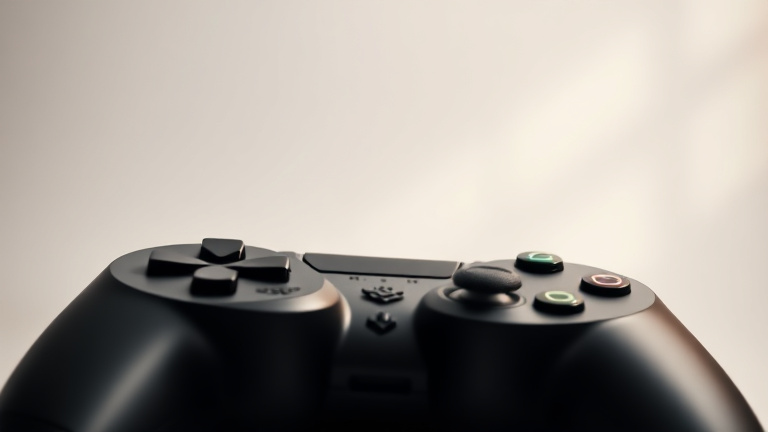
The PlayStation platform has reshaped competitive gaming through cutting-edge controller innovations that blur the line between player intent and on-screen gameplay. From haptic feedback that recreates authentic weapon recoil to dynamic trigger mechanisms that adjust in real-time to in-game situations, these sophisticated capabilities offer unmatched engagement and performance edge. This article investigates how PlayStation’s latest-generation controller innovation is redefining competitive gaming landscapes, examining the particular capabilities that give players the edge and transforming what it takes to succeed at the highest levels.
Revolutionary Haptic Feedback Technology
The PlayStation controller’s tactile response technology represents a paradigm shift in how players experience competitive gaming. Unlike conventional vibration systems that provide simple vibrations, this advanced technology produces detailed, refined haptic feedback that mirror actual physical sensations. Players can feel the subtle difference between firing various weapons, experiencing distinct feedback patterns that improve situational awareness and decision-making during intense competitive matches.
This sophisticated haptic system functions via two motors situated optimally within the controller, allowing creators to produce detailed vibration patterns across the entire device. The technology delivers real-time to in-game events, providing players with millisecond-accurate feedback that transfers into performance gains. Elite esports players have documented better performance metrics when leveraging these features, as the additional sensory information accelerates reaction times and refines control during high-stakes tournaments.
Immersive Touch Sensations
Rich haptic sensations significantly reshape how players experience their virtual environment in competitive play. When executing precision actions like weapon recoil compensation or executing intricate techniques, players receive immediate tactile responses that creates a tangible connection between controller input and on-screen results. This sensory bridge eliminates the traditional disconnect between player intention and digital execution, enabling competitors to achieve remarkable degrees of precision and responsiveness in their gameplay.
The fine-grained structure of haptic feedback permits game developers to convey essential information through touch-based methods rather than relying solely on visual or audio cues. Players can tell apart different surface textures, weapon types, and environmental conditions through distinct vibration patterns. This integrated sensory experience proves especially useful in competitive play, where instantaneous choices dictate game results and every advantage contributes to championship victories.
Game Developer Integration
Game developers have warmly welcomed PlayStation’s haptic feedback technology, incorporating it smoothly into competitive titles across multiple genres. Studios deploy custom haptic profiles that correspond to specific in-game mechanics, ensuring that every action delivers contextually appropriate tactile feedback. This integration demands careful calibration and testing, with developers working closely with professional competitors to refine haptic patterns that enhance competitive play without overwhelming or distracting players during critical moments.
The integration process involves designing haptic effects that communicate gameplay information intuitively, allowing competitive players to understand tactile feedback instantly without conscious thought. Leading esports titles now feature comprehensive haptic customization options, permitting players to adjust feedback intensity and patterns according to individual needs and playstyles. This developer commitment to haptic implementation showcases the technology’s substantial influence on esports performance, establishing haptic feedback as an essential component of modern esports infrastructure and player performance optimization.
Adaptive Trigger Mechanics and Operational Efficiency
Adaptive triggers constitute a fundamental transformation in input device design, significantly altering how players interact with multiplayer competitions. These sophisticated mechanisms modulate feedback dynamically based on in-game events, producing haptic sensations that replicates realistic weapon mechanics and environmental interactions. Players experience genuine tension when drawing a bow, resistance when accelerating vehicles, or precise vibrations during accurate targeting moments. This real-time responsiveness eliminates the disconnect between screen visuals and tactile sensations, allowing competitive gamers to develop superior muscle memory and reaction times that result in improved performance.
The advanced design behind adaptive triggers enables developers to create sophisticated gaming interactions once unattainable with traditional controllers. Each trigger modification occurs within fractions of a second, synchronizing perfectly with in-game events to maintain immersion during intense competitive moments. Competitive gaming professionals report enhanced control accuracy and faster decision-making when leveraging these capabilities properly. The technology’s consistency ensures that muscle memory developed during practice transfers seamlessly into tournament environments, delivering a reliable competitive advantage that goes past casual gaming into professional esports arenas.
Dynamic Resistance Mechanisms
Dynamic resistance systems smartly control trigger tension based on contextual gameplay variables, producing customized interactions for various play situations. In first-person shooters, triggers might gradually build resistance as weapons get too hot, while racing games fine-tune feedback to recreate grip dynamics and acceleration physics. This situational responsiveness forces players to develop sophisticated trigger control techniques, separating expert players from casual players. The system’s responsiveness to gameplay state creates real-time feedback systems that recognize accuracy and punish careless input, enhancing competitive gaming to new technical heights and developing obvious ability separation among players.
Advanced algorithms power these dynamic systems, processing multiple gameplay parameters in real time to calculate best resistance values. AI-driven learning systems enables systems to adapt to personal player preferences and play patterns, generating personalized experiences that boost competitive performance. Developers can fine-tune resistance curves for particular weapons, vehicles, or abilities, guaranteeing balanced gameplay while preserving realistic feel. This technical complexity means that developing trigger mastery becomes a crucial competitive skill, distinguishing championship-caliber players from their adversaries through enhanced tactile sensitivity and precise physical control.
Key Strengths in Esports
Professional esports organizations acknowledge adaptive triggers as essential equipment for winning outcomes, incorporating them into conventional preparation schedules and competitive environments. Players leveraging these capabilities show significantly quicker reaction speeds and better consistency in skill-intensive competitions, creating measurable competitive advantages. Tournament results indicate that teams equipped with sophisticated peripheral systems consistently outperform opponents using traditional input methods, particularly in categories demanding continuous exactness and fast-paced decision-making. This performance advantage has become so significant that major esports leagues now standardize controller specifications, ensuring all competitors benefit equally from this innovative technology.
The integration of responsive trigger technology into competitive gaming systems has substantially transformed competitive landscapes, creating new performance benchmarks and practice frameworks. Top-tier gamers spend countless hours developing trigger sensitivity and pressure feedback awareness, considering controller expertise as core competitive ability alongside strategic knowledge. Professional coaching teams now include controller specialists who adjust trigger parameters for individual players and particular competitive scenarios. This equipment accessibility advancement means that aspiring competitive gamers can access the same advanced features as professionals, lowering barriers to entry and establishing fairer competitive spaces where skill determines success rather than hardware restrictions.
Enhanced User Control and Precision
The sophisticated controller features on PlayStation offer exceptional precision that directly impacts competitive performance. Adaptive triggers provide variable resistance based on on-screen events, allowing players to detect nuanced variations in weapon mechanics and environmental interactions. This tactile feedback enables competitors to react instantly with greater confidence, translating physical sensations into faster reaction times. The enhanced analog stick sensitivity and adjustable dead zones enhance control, guaranteeing every movement responds precisely during high-stakes competitive matches.
Haptic feedback technology transforms how players perceive their virtual environment, generating immersive sensations that improve situational awareness. Competitors can distinguish between different impact types, surface textures, and weapon characteristics through detailed haptic signals. This sensory information turns critical during intense gameplay moments, giving additional data channels beyond visual and audio cues. The technology allows for micro-adjustments in player positioning and aiming, providing experienced players with a measurable advantage in accuracy-focused games and esports tournaments.
Customization options enable players to optimize controller settings for their individual playstyles and preferences. Advanced configuration tools allow modification of trigger sensitivity, haptic intensity, and button mapping to suit particular competitive needs. This personalization extends to different game genres, enabling smooth switching between titles while preserving peak performance. Competitive esports professionals leverage these personalization options to optimize their equipment, creating personalized competitive setups that enhance their inherent skills and provide reliable execution across tournament environments.
