
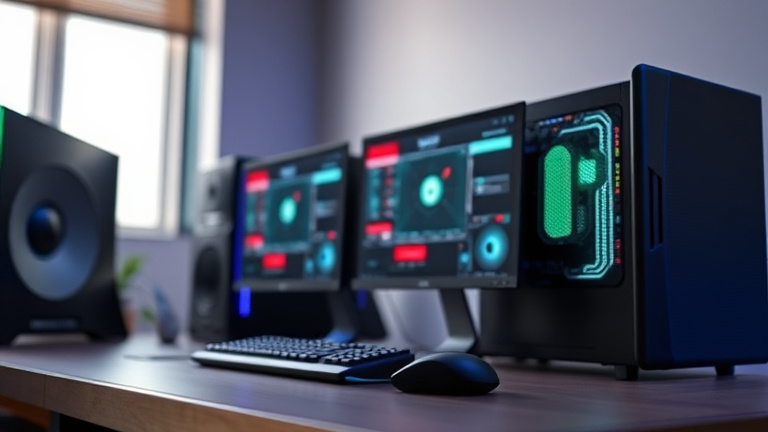
The gaming landscape is undergoing a fundamental shift as cloud gaming services reshape how millions of players access their favorite titles. Gone are the days of expensive hardware purchases and extended wait times—today’s gamers can seamlessly play AAA games on any system with online connectivity. This article examines how cloud gaming platforms are democratizing gaming, breaking down technical barriers, and providing unparalleled availability for both casual and serious gamers, while investigating the technology, advantages, and challenges that shape this gaming revolution.
The Growth of Cloud Gaming Technology
Cloud gaming constitutes a significant change in how users engage with their preferred games. By leveraging powerful remote servers, these platforms do away with the necessity of expensive gaming hardware, allowing users to stream games directly to their devices. This technological breakthrough has opened up access to premium gaming experiences, letting users with modest computers or older consoles to enjoy new blockbuster titles seamlessly. The infrastructure powering cloud gaming steadily improves, with companies spending enormous amounts in data centers and infrastructure enhancement to ensure smooth, lag-free gameplay experiences across the world.
The growth of cloud gaming services has expanded significantly over the preceding years, with prominent tech corporations and gaming-focused providers entering the market. Services like Xbox Game Pass Ultimate, PlayStation Plus Premium, and NVIDIA GeForce Now have positioned themselves as market leaders, offering comprehensive game catalogs and customizable subscription options. This competitive environment spurs development and cost-effectiveness, benefiting consumers through improved features, expanded game choices, and improved speed. The shift away from conventional gaming to cloud-based platforms marks a pivotal moment in how we consume entertainment, like how streaming services changed film and television consumption.
Overcoming Technical Hurdles
Cloud gaming radically removes the technical barriers that previously prevented many players from enjoying modern games. Traditional gaming necessitated substantial investments in advanced graphics processors, processors, and storage devices—expenses that excluded casual players and those with tight finances. Cloud platforms bypass these barriers by shifting computational demands to remote servers, permitting gameplay on basic laptops, tablets, and smartphones. This accessibility revolution permits a broader demographic to engage with gaming culture, promoting accessibility and growing the overall gaming community considerably.
The technology behind cloud gaming utilizes sophisticated compression algorithms and content delivery networks to send premium video content across the internet. Modern compression standards minimize latency while maintaining visual fidelity, ensuring players get fluid, engaging gaming experiences regardless of their system requirements. As internet infrastructure advances worldwide and 5G networks roll out, cloud gaming becomes increasingly viable for users in previously underserved regions. This technical evolution promises to make high-end gaming content within reach globally, significantly changing the industry’s coming trajectory.
Top Cloud Gaming Services and Key Features
The cloud gaming market has seen substantial expansion, with multiple platforms striving to deliver smooth gaming experiences throughout devices. Industry leaders have poured billions in infrastructure, creating cutting-edge streaming technologies that minimize latency and improve visual quality. These platforms offer extensive game libraries, customizable subscription models, and cross-device compatibility, substantially transforming how players acquire, obtain and experience games. Grasping the key benefits and individual offerings of leading providers enables gamers pick the service that best matches their tastes and gaming patterns.
Best Offerings in the Industry
Microsoft’s Xbox Cloud Gaming stands as a powerhouse in the cloud gaming industry, leveraging the company’s vast library of games and cloud infrastructure. Subscribers gain access to a vast library through Game Pass Ultimate, with the option to play on mobile devices, tablets, PCs, and TVs. The service connects effortlessly with Xbox ecosystems, enabling gamers to continue their progress across different devices. Microsoft’s commitment to global data centers delivers minimal lag, making it an attractive option for dedicated players wanting premium experiences without equipment restrictions.
NVIDIA GeForce Now offers an alternative solution, letting players to play games via streaming they already own from digital storefronts like Steam and Epic Games. This adaptability appeals to gamers with existing libraries who choose not to purchase games again. GeForce Now prioritizes performance, providing high frame rates and advanced graphics settings. Sony’s PlayStation Plus Premium combines conventional subscription offerings with cloud gaming capabilities, incorporating streaming into its established PlayStation ecosystem. Google’s Stadia, though it was shut down, opened the door for innovation in cloud-based gaming solutions and user experience design.
- Xbox Cloud Gaming provides an extensive Game Pass catalog integration
- NVIDIA GeForce Now supports games from existing digital accounts
- PlayStation Plus Premium combines streaming with traditional gaming
- Amazon Luna delivers Fire TV and mobile device compatibility
- Platforms compete on latency, game library, and subscription costs
Benefits and Challenges of Cloud Gaming
Main Advantages
Cloud gaming provides significant benefits that reshape gaming access. Players avoid high-cost device spending, obtaining high-quality games immediately without downloads or installations. The technology facilitates smooth gameplay across devices, allowing users to commence play on their console and continue on mobile devices. Additionally, cloud gaming decreases ecological footprint through streamlined resource management and overcomes storage constraints, democratizing gaming for players worldwide independent of their hardware capabilities or geographical region.
Another key benefit is the removal of software piracy concerns and simplified game distribution. Developers obtain important player data and engagement metrics while guaranteeing their content stays secure on secure servers. Cloud gaming platforms offer automatic updates, removing compatibility issues and guaranteeing all players receive identical, optimized versions. This infrastructure also enables cutting-edge features like instant game trials, social streaming integration, and multiplayer cooperative play that traditional local gaming cannot provide, creating fresh possibilities for player engagement and community development.
Main Obstacles
Despite its potential, cloud gaming confronts substantial obstacles restricting widespread adoption. Internet connectivity stands as the chief challenge, requiring high-bandwidth, minimal-delay connections for best performance. Players in remote regions or regions with insufficient infrastructure struggle with lag and disconnections, creating unequal access. Additionally, data consumption worries persist, as transmitting quality gaming content consumes considerable bandwidth, often going over monthly limits and generating additional costs for users with capped data plans.
Latency and input lag present performance obstacles impacting gaming performance, especially in competitive titles requiring instant reflexes. Licensing agreements complicate access to games in various territories, fragmenting the game collection. Additionally, concerns about data privacy, infrastructure stability, and monthly fees discourage some gamers from transitioning from conventional games. The dependency on server infrastructure means potential service interruptions significantly affect gaming experience, unlike offline games that stay playable independent of server status.
